MLflow and Unsloth are both robust MLOps tools with distinct advantages. MLflow is well-established with 25,524 GitHub stars and excels in comprehensive ML lifecycle management and integration with numerous platforms. Unsloth shines with 63,241 GitHub stars and is favored for its no-code interface and local model training capabilities, making it highly popular in the community.
Best for
MLflow is the better choice when managing end-to-end machine learning workflows with strong emphasis on model versioning, reproducibility, and integration with cloud services is required.
Best for
Unsloth is the better choice when you need an intuitive, no-code platform for local model training and experimentation, particularly beneficial for smaller teams or those with limited coding resources.
Key Differences
Verdict
MLflow is ideal for teams that need a robust and flexible platform for managing all stages of the machine learning lifecycle, especially in environments where integration with other software and reproducibility are paramount. Conversely, Unsloth is best suited for teams aiming for rapid deployment of AI models with minimal coding investment and a focus on performance optimization in local environments. Both tools have strong community support, but choose based on specific team capabilities and project requirements.
MLflow
100% open source under Apache 2.0 license. Forever free, no strings attached.
MLflow is praised for its comprehensive suite of features that facilitate the machine learning lifecycle, including experimentation, reproducibility, and deployment. Users appreciate its seamless integration with various tools and platforms, which enhances workflow efficiency. However, some users note that the setup can be complex for beginners or those without a strong technical background. Overall pricing sentiment is neutral, as users often benefit from its open-source nature despite potential costs when utilizing it within certain cloud-based platforms. The tool holds a strong reputation, particularly within the data science and machine learning communities, as an essential tool for managing ML projects.
Unsloth
Unsloth is an open-source, no-code web UI for training, running and exporting open models in one unified local interface.
Reviews and social mentions of Unsloth suggest that its main strength lies in its integration capabilities and user-friendly interface, which attract positive feedback. However, there are few explicit user complaints or discussions about the software, indicating a potential gap in awareness or limited critical engagement among the existing user base. The lack of detailed user opinions on pricing sentiments makes it hard to assess the financial aspect, but overall, Unsloth appears to have a neutral to positive reputation largely due to its limited high-profile mentions.
MLflow
Stable week-over-weekUnsloth
-50% vs last weekMLflow
Unsloth
MLflow
Unsloth
MLflow
Unsloth
MLflow (8)
Unsloth (6)
Only in MLflow (10)
Only in Unsloth (8)
Shared (2)
Only in MLflow (13)
Only in Unsloth (13)
MLflow
Unsloth
No YouTube channel
MLflow
No screenshots
Unsloth

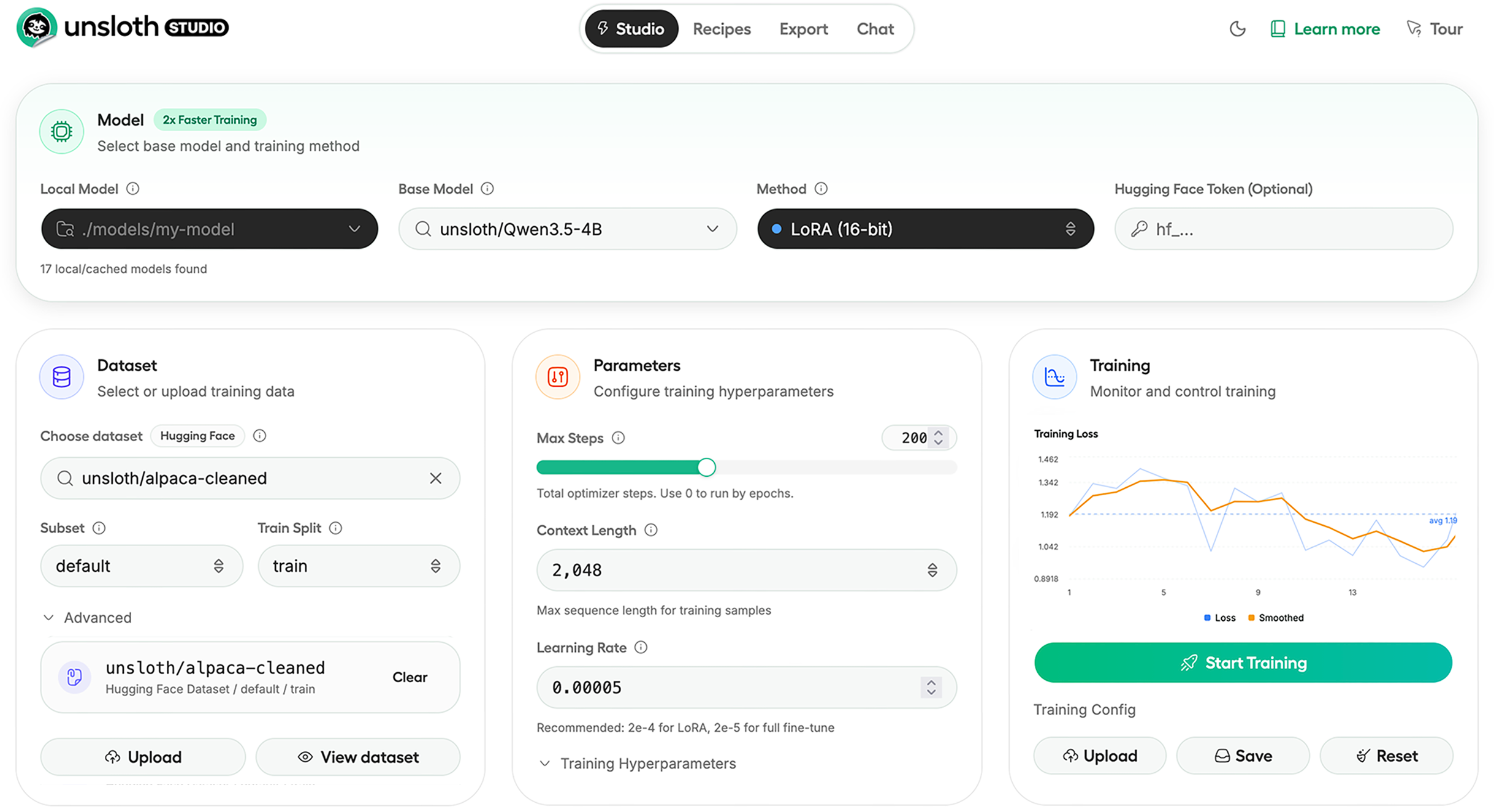
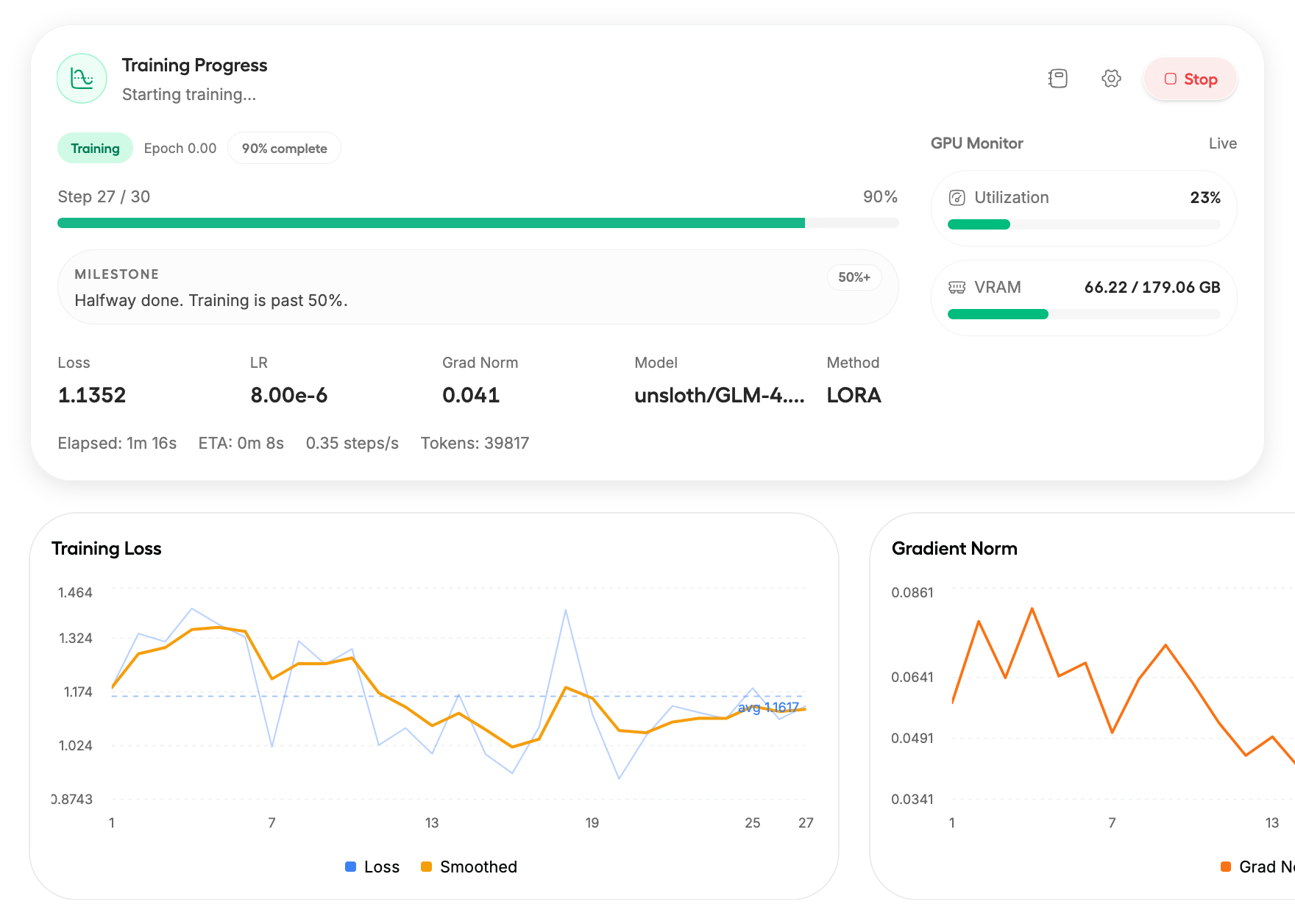
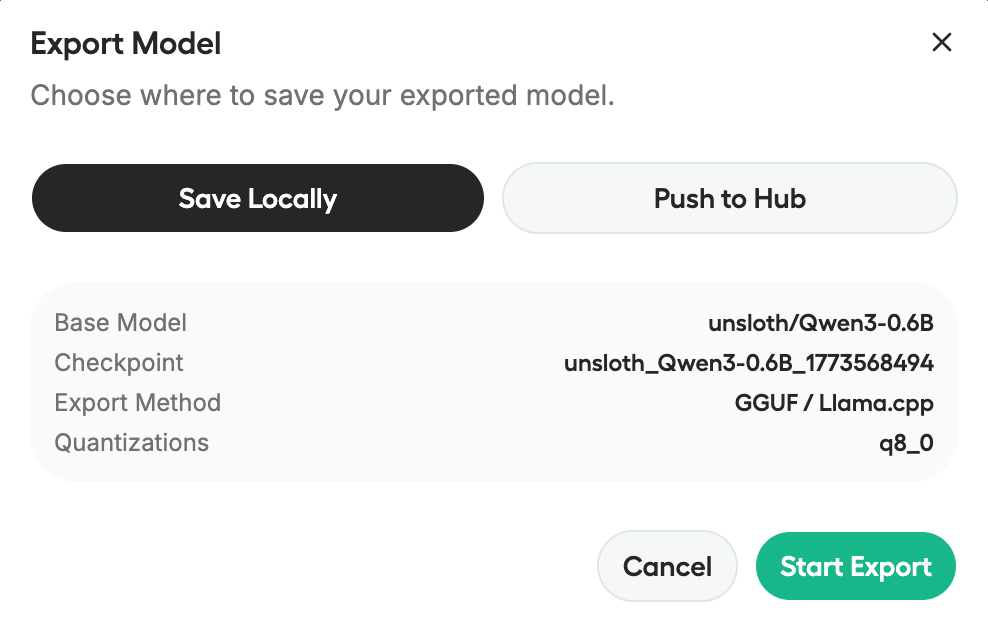
MLflow
Unsloth
MLflow
Unsloth
Made a tool that builds its own training data and improves each cycle by learning from what it got wrong
The basic idea is pretty simple. You give it a few seed prompts. It generates instruction-response pairs, an LLM scores each one, the good ones go into your training set and the bad ones become the seeds for the next round. Each cycle the model is essentially practicing on what it failed at before.
Shared (2)
Only in MLflow (1)
MLflow is better suited for complex ML lifecycle management due to its extensive tools for tracking, versioning, and deployment.
MLflow is open-source and free, though cloud integration can incur costs; Unsloth is tiered and lacks detailed user price sentiment.
Though MLflow has established community support and a strong reputation, Unsloth's higher GitHub stars suggest a rapidly growing community.
Yes, Unsloth can integrate with MLflow, complementing it with local fine-tuning and experiment tracking.
Unsloth is generally easier to get started with due to its no-code interface and straightforward setup process.